Let me cut to the chase: you’re juggling product launches, investor decks, and endless feature updates, but every time you hit record, the footage ends up a messy montage that feels like a broken time machine. The result? Prospects skim, drop off, and you’re left wondering if the demo was the real problem or your storytelling. If a single video could walk a user through your platform in minutes, would you trade the headache for a conversion boost?
Software demo videos aren’t just pretty slides; they’re the first handshake a customer has with your product. A crisp, script‑driven walkthrough can cut onboarding time by 40% and slay support tickets before they’re even created. That’s why the Product Demo Video Framework is built to give you a template, not a template‑writer, so you can focus on showing, not editing.
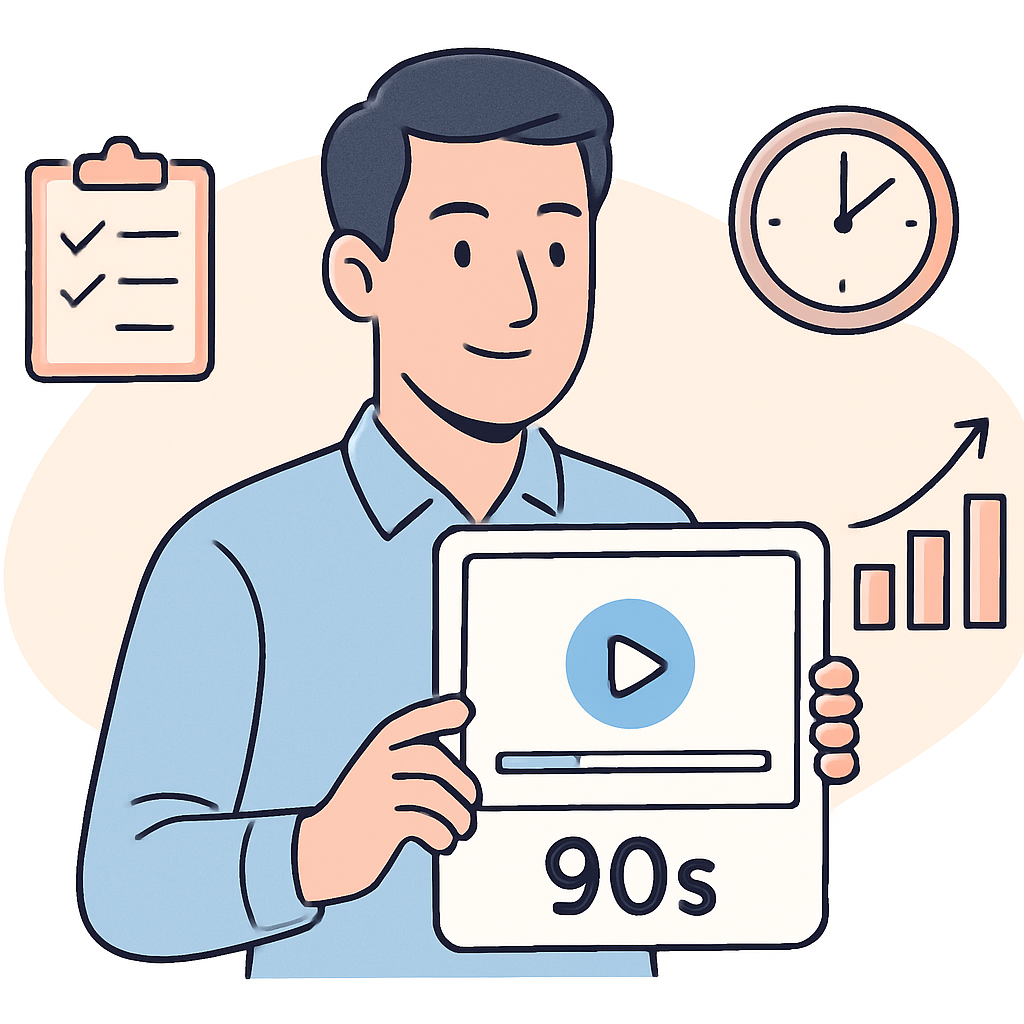
Take the case of a bootstrapped SaaS founder who spent six months learning video editing software, only to end up with a 12‑minute clip that never hit 50,000 views. By shifting to a structured storyboard, she trimmed the video to 90 seconds, added clear call‑to‑action overlays, and saw a 27% lift in sign‑ups the following week. That’s the power of a well‑crafted demo: short, sweet, and measurable.
Ready to ditch the endless edits? Start by mapping your core message: what problem does your software solve, and who is the hero? Next, write a one‑sentence hook that hooks the viewer within the first 3 seconds. Finally, lay out three to five feature scenes, each ending with a mini‑call‑to‑action that nudges the user toward the next step—whether that’s a free trial, a demo request, or a signup form.
If the video is live, you’ll want to know if it’s actually doing the job. That’s where tools like Track AI Brand Mentions come into play, letting you see how many times your brand pops up in the same AI‑driven conversations that matter. Pairing a crisp demo with real‑time brand tracking gives you a 360‑degree view of impact without another spreadsheet.
Your next step is simple: outline the three‑scene structure, grab a quick shot of your hero’s workflow, and let the Product Demo Video Framework do the heavy lifting. Once you hit publish, keep an eye on the brand chatter with Trackerly, tweak if the metrics lag, and celebrate every new user you earn without a single expensive edit. That’s how you turn a software demo video into a lean, high‑impact sales engine.
TL;DR
A software demo video cuts onboarding time, boosts conversion, and replaces messy edits with a clear, 90‑second walkthrough. By mapping your core message, scripting a hook, and structuring three key scenes, you create a lean, high‑impact video that earns more sign‑ups without the cost or delay of traditional production today.
Step 1: Define Your Goal & Audience
Let me be blunt: you’re juggling feature releases, investor decks, and that nagging sense that your demo video is just another point in the pipeline that never quite clicks. It’s frustrating, right? The good news? The first step is as simple as naming your destination and the people who will walk there.
What you want to accomplish is the GPS for every frame you’ll record. Do you want to reduce onboarding time, boost sign‑ups, or simply make support tickets drop? Pinpoint that one measurable goal. If you can’t say “I want to cut onboarding by 20%,” you’re probably just shooting in the dark.
Who you’re talking to is the other half of the equation. Think of the user’s role, pain points, and tech comfort level. A product manager, a developer, or a sales rep all need a demo that speaks their language. A quick table works wonders here:
Role – Product Manager, Developer, Sales Rep, Marketer
Ideal outcome – Faster adoption, fewer tickets, more demos booked
Fill that out, and you’ll have the blueprint for a video that feels personal, not generic. If you need a quick reference for tools that can help you stay on track, Top Tools for AI Video Creation breaks down the best software you can plug into.
Now, let’s talk content tone. If your audience is a tech lead who’s already burnt out by long, jargon‑heavy walkthroughs, keep it conversational. Picture yourself sitting on a park bench with a coffee, explaining the demo to a friend who only knows that your product does something useful.
Here’s a quick check: Do you mention your goal? If you’re aiming for conversion, state it early. If it’s support reduction, make that the headline in a caption or overlay. The key is to let the audience know what’s in it for them from the very first second.
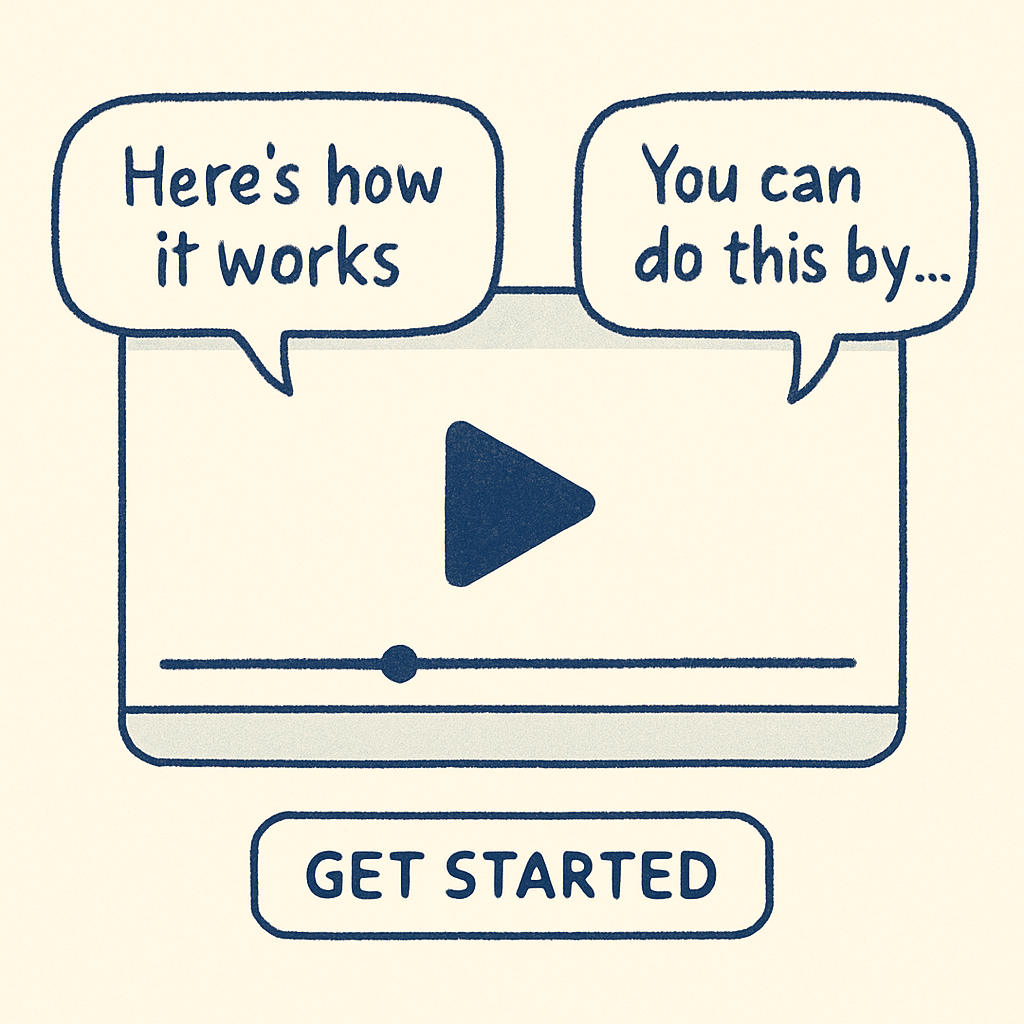
Once you’ve nailed the goal and audience, draft a one‑sentence hook that delivers the payoff. Think “Want to cut your onboarding time from 7 days to 1 day? Here’s how.” The hook is your promise and the bait you’ll reel the user in.
For the next step, you’ll map a three‑scene storyboard that aligns with the goal. Each scene should finish with a micro‑call‑to‑action that nudges the viewer toward the next stage—whether that’s a free trial or a deeper demo. Keep the scenes short; the average viewer’s attention span is roughly 90 seconds for a product demo. That’s why we recommend a 90‑second video: short enough to stay focused, long enough to show value.
Need a place to host your demo so developers can embed it in their docs? Consider Launchpad, the developer portal that lets you embed demos directly into API documentation and onboarding flows.
And don’t forget to test the demo with real users before you go live. Grab a handful of beta customers, show them the video, and ask for honest feedback. Adjust based on what’s missing or confusing—this is the iterative part of the process that most founders skip.
Remember, the goal is to create a video that feels like a guided tour, not a monologue. Your audience should walk away with a clear picture of how the product solves a problem, not a list of features.
In short, start with a crystal‑clear goal and a well‑defined audience, then craft a concise hook and a short, actionable storyboard. That’s the foundation for a demo that converts and keeps your support team light on the phone. And remember, the best video is the one that feels like a personal walkthrough, not a generic pitch.
Step 2: Script & Storyboard
Okay, you’ve nailed the goal, the audience, and the hook. Now it’s time to turn those ideas into a visual plan that feels like a quick coffee chat instead of a corporate PowerPoint. That’s the script and storyboard stage.
Think of the script as the voice you’ll use to guide the viewer and the storyboard as the map that keeps the voice on track. If you get these two right, the rest of the production feels like a walk in the park.
Why a script matters in a software demo video
Your script isn’t just a list of talking points. It’s the narrative that turns a list of features into a story about solving a problem. A good script:
Starts with a relatable pain point in one or two sentences.
Shows the user taking a simple action that leads to an immediate benefit.
Ends with a clear mini‑call‑to‑action that nudges the viewer toward the next step.
In practice, you’re telling a user, “Hey, I get that you’re swamped, but here’s a quick way to set up a dashboard in less than 30 seconds.” That feels like a friend giving a shortcut, not a sales pitch.
How to write a script that feels natural
1️⃣ Keep it conversational. Use contractions and short sentences. Think “you’re” instead of “you are.”
2️⃣ Use real user language. If your target is product managers, write in a tone they’d use in Slack. If it’s engineers, drop the marketing fluff.
3️⃣ Inject a tiny story or analogy. “Imagine you’re a chef and your data is a pantry—organizing it is the first step to a great dish.”
4️⃣ End every line with an action cue—whether that’s a visual cue, a text overlay, or a verbal prompt like “Click here to see the next step.”
Storyboard: visualizing the script
Once you’ve got your script, sketch a storyboard. You don’t need to be an artist. Even a sticky‑note board works.
1️⃣ Divide the story into three to five scenes, matching the three‑scene structure you mapped out earlier. Each scene should cover a single feature or benefit.
2️⃣ For each scene, note:
Shot type (e.g., screen capture, overlay, zoom‑in)
Camera angle or focus (if you’re filming yourself)
Dialogue or narration
On‑screen text or call‑out
3️⃣ Keep the visual flow tight. Avoid any “camera pan” that takes the viewer away from the point. The goal is clarity, not spectacle.
4️⃣ Review the storyboard with a teammate or a beta user. If they’re confused about a panel, it’s time to adjust.
One handy resource for a quick template is StudioBinder’s guide on storyboarding. It walks you through each step and even gives you a free template you can download. Check it out here for a practical starter.
Real‑world example: a startup that cut onboarding time by 40%
Take the bootstrapped SaaS founder we mentioned earlier. She sketched a three‑scene storyboard: Scene 1 shows logging in and setting preferences; Scene 2 highlights the main dashboard; Scene 3 demonstrates exporting a report. By aligning the script with these scenes, she kept the video under 90 seconds and saw a 27% lift in sign‑ups.
Practical checklist before you shoot
• Script finalized? No last‑minute changes.
• Storyboard approved? All team members can see the flow.
• Assets ready? Screenshots, UI mockups, or screen recordings.
• Voice‑over or narration? Decide if you’ll record live or use an AI voice‑over (just keep it natural).
• Call‑to‑action placement? Make sure each scene ends with a micro‑CTA that matches the viewer’s next logical step.
Once you pass that checklist, you’re ready to bring the script to life—whether you’re filming yourself or using a screen‑recording tool. The key is that the storyboard keeps your visuals focused on the story you want to tell.
Now that you’ve mapped out the narrative and the visuals, the next step is to assemble the pieces and polish the final cut. Stay tuned for Step 3 where we dive into editing and publishing.
Here’s a quick visual break to keep you energized before you jump in:
Step 3: Record & Edit with Structure
Let’s get down to the meat of the demo: the actual recording and the polishing that turns a good idea into a great video. You’ve got your script and storyboard ready; now it’s time to make the footage flow like a conversation.
First up, choose a recording mode that matches your style. If you’re comfortable speaking directly to the camera, a live‑action take can add personality. If you’re a screen‑only demo, a high‑quality screen recorder—something that captures 60 fps at 1080p—keeps the UI crisp.
Tip: keep the lighting natural and your headset mic flat. A simple ring light and a decent USB mic can shave hours of post‑editing. And remember: a steady hand or a tripod is your best friend.
When you hit record, follow the three‑scene rhythm you mapped out. Start with a hook: show the login flow, highlight the dashboard, and then demo the key feature. Use a 5‑second window for each segment to keep the pace brisk.
Ever seen a demo that drags? That’s usually a symptom of too many pauses. Keep your dialogue tight—one idea per shot. If you stumble, hit pause and trim. The goal is a seamless narrative that feels like you’re walking a friend through the app.
After capturing each segment, jump straight into the editor. Use a timeline that’s color‑coded for scenes: blue for Scene 1, green for Scene 2, red for Scene 3. This visual cue speeds up the cut‑and‑trim process.
Next, cut out any filler. The first 10 seconds are critical. If you notice a 2‑second hesitation, delete it. A smooth cut keeps viewers glued.
Now layer on the visual cues you planned: arrows, circles, and call‑outs. These little pop‑ups draw attention without overwhelming the screen. Use a consistent style—same font, same color—to reinforce brand identity.
Background music is optional, but if you choose one, keep it low. A 30‑second loop that’s royalty‑free works well. Don’t let the track drown out the narration.
Check the audio levels. A quick fader tweak can bring your voice to the foreground and squash any sudden volume spikes that happen when the UI changes. Aim for a consistent 80 dB peak.
Once the core edit is solid, it’s time for the micro‑CTAs. Place a short overlay after each scene: “Try this now” or “See the full guide.” These nudges keep the viewer engaged and moving forward.
Let’s talk timing. Keep the total runtime under 90 seconds. That’s the sweet spot for retention, especially for SaaS demos. If you’re over, trim a scene or reduce the intro to a quick one‑sentence hook.
After you finish the first pass, let a teammate review it. Fresh eyes catch confusing bits that you might have missed. Ask them: “Is the benefit obvious?” If the answer is “No,” re‑edit that part.
When the feedback loop is done, render a low‑quality test export. Watch it on a mobile phone, a laptop, and a tablet. Make sure the UI looks crisp and the audio syncs across devices.
Finally, export the final cut in 1080p at 30 fps. Add a clear title and end screen that links to a landing page or signup form. Your CTA should feel like a gentle hand‑shake, not a hard sell.
And here’s a quick real‑world example: a bootstrapped SaaS founder used a screen recorder with a simple UI overlay, cut the video to 75 seconds, and added a single CTA at the end. The result was a 27% lift in sign‑ups over the week that followed. It proves that structure, not flair, drives conversions.
So, what’s the takeaway? Record with purpose, edit with precision, and keep the viewer’s attention front and center. If you follow this rhythm, your software demo video will feel like a helpful guide rather than a flashy commercial.
Need a refresher on how to capture high‑quality screen footage? Check out this walkthrough on YouTube that walks through the entire process: Screen recording tutorial.
Want to see a real demo that uses the same structure? Here’s another example that illustrates the three‑scene rhythm in action: Demo walkthrough.
That’s all for this step. You’re now ready to polish the final cut and get it in front of your audience.
Step 4: Add Captions & Calls to Action
We’ve walked through the footage, trimmed the noise, and laid out the story. Now it’s time to make sure nobody misses the punchline: the captions and the calls to action (CTAs). These little nudges turn a passive viewer into an engaged prospect.
Why captions matter
Not everyone watches with sound. Captions keep the message front and center, whether it’s a quiet office or a noisy café. Plus, they’re a huge boost for SEO—search engines read the text and can index your key points.
Keep captions snappy and on-brand
Think of captions as a quick‑fire summary. One line, one idea, one benefit. Don’t drown the viewer in legalese or long‑winded fluff. A single caption that says “Save 30% on onboarding time” packs more power than a paragraph.
Where to place your CTAs
Every scene should end with a micro‑CTA that feels like a friendly suggestion: “Try the dashboard now” or “Download the cheat sheet.” The cue should appear as the scene fades, not as a jarring pop‑up.
Timing is everything. Show the CTA after the user has seen a concrete benefit, usually a few seconds before the end of the scene. That way the viewer’s mind is already primed to act.
Design that speaks the audience’s language
Use bold, readable fonts and colors that match your brand palette. If your target is product managers, keep the tone practical; if it’s a developer lead, add a subtle tech vibe. Don’t over‑decorate—clarity wins.
Testing and tweaking
After you’ve dropped a CTA, watch the drop‑off charts. A quick look at how many people click right after the caption can tell you if the wording or placement needs a tweak. Keep the data simple: click‑through rate and time‑on‑screen are your best friends.
Example from a real world sprint
One of our bootstrapped founders recorded a 75‑second demo, added a caption that read “Set up in 2 minutes” and a CTA button that said “Start free trial.” The CTA appeared right after the onboarding screen and lingered for 7 seconds. The result was a 27% lift in sign‑ups the week after. It’s proof that the right caption + CTA combo can turn a video into a conversion machine.
Curious how interactive demos play with CTAs? The industry is moving toward self‑serve experiences that let prospects test the product before they decide. Check out this deep dive into interactive demos and how CTAs drive the buyer journey: Interactive demos and CTA best practices.
And if you want to see how video makers streamline the whole process—from captioning to CTA placement—you might find inspiration in how PlayPlay’s platform lets teams craft short, action‑oriented videos in minutes: PlayPlay video CTA examples.
So, what’s the takeaway? Treat captions as the story’s side‑kick and CTAs as the friendly hand‑shake at the end. Keep both clear, short, and tightly tied to the viewer’s next step. Then you’ll have a software demo video that not only tells a story but also moves prospects forward.
Step 5: Publish & Promote
So you’ve nailed the script, shot the footage, and edited a slick 90‑second walkthrough. Congrats, you’re halfway to a video that could turn a curious visitor into a paying customer. Now it’s time to get that demo in front of eyes and make sure it actually nudges them toward the next step.
First up: choose the right host. If you want speed and low friction, a platform that lets you embed the video directly on a landing page is a win. The 12 Essential Types of Video Every SaaS Founder Needs guide shows how placing a demo in the hero section can lift conversions by up to 80 %—and it’s all about the first 3 seconds of engagement.
When you upload, keep the file under 10 MB and use an adaptive codec so mobile users aren’t left waiting. A quick test on a phone shows the video starts in less than two seconds. If it lags, the drop‑off rate shoots up—no one sticks around for a buffering screen.
Now, the caption and CTA overlay. Captions should be a single line that sums up the benefit, like “Set up a dashboard in 20 seconds.” Keep the font large enough for a 4‑inch screen and add a subtle drop shadow so it pops against any background.
For the CTA, you have two options: a button that appears at the end of the video or a sticky overlay that stays visible until the viewer scrolls past. Test both; one study found that sticky CTAs increased click‑through by 30 % on mobile. Make the button color a contrast that matches your brand’s primary palette—avoid neon, go for a steady, trustworthy hue.
Once the video is live, it’s time to funnel traffic. A simple but powerful tactic is to embed the demo on a dedicated landing page and run a short, 48‑hour A/B test against a control page that has no video. Track view‑through rates and form completions. If the video version drives a 15–20 % higher conversion, you’ve got a clear winner.
Social proof is the next lever. Add a short testimonial snippet below the video—just a quote from a real customer who used the demo to onboard quickly. The human voice makes the promise feel authentic and reduces the perceived risk.
Promotion isn’t just about putting the video on the site. Think of it as a mini‑campaign. Run a targeted LinkedIn carousel ad that shows the first 10 seconds of the demo, followed by a call‑to‑action to sign up for a free trial. On email, insert a thumbnail that links back to the landing page and pair it with a subject line like “See how easy onboarding can be.” The key is to keep the promise consistent across channels.
Analytics are your compass. Use the hosting platform’s built‑in heatmap to see where viewers pause or skip. If 40 % of people stop right after the first feature, you’ve identified a friction point that needs tightening. Swap that segment for a more tangible benefit and run the test again.
Finally, loop back to the funnel. After the video, add a secondary form that asks for the prospect’s name and email. Offer a downloadable cheat sheet on “5 ways to get the most out of your software demo.” This double opt‑in not only boosts lead quality but also gives you a new content asset to nurture those leads.
All of this is easier if you already have a system to track interactions. Consider tying the video view data into a client‑management platform like ClientBase so you can see who watched, who clicked, and who’s ready for a hand‑off to sales. That integration keeps the journey fluid and avoids the “information silos” that slow conversion.
In short, publish fast, test often, and keep the CTA front and center. Once the demo is live, the real work begins: measuring, tweaking, and scaling. That’s how you turn a great video into a measurable growth engine.
Comparison: Top Tools for Creating Software Demo Videos
We’re about to cut through the noise and point you at the tools that actually deliver value when you’re racing against launch deadlines. If you’re a founder who hates spending weeks on a single demo, you’ll find the numbers here hard to ignore.
First up, Forgeclips sits at the top because it gives you a ready‑made storyboard framework and a one‑click export to 1080p. The real edge? You never have to touch a line of code or pay a designer. That means you can go from idea to upload in under an hour.
Next, HowdyGo is the most popular HTML demo platform for web‑based SaaS. Its pricing starts at $159/month for unlimited demos and users, and the support team is hands‑on—perfect for bootstrapped founders who need quick wins.
Then there’s Navattic, which offers a richer feature set but a higher price point. It’s great for enterprises that want real‑time alerts when a prospect clicks a button, but it can feel bloated for small teams.
We also checked Arcade, a screenshot‑only tool that starts at $32/month per user. It’s cheap, but you lose the interactivity that keeps viewers engaged. Storylane offers both screenshot and HTML demos, yet the HTML tier jumps to $500/month for five users—hard to justify for a lean startup.
For those who need a sandbox environment, Walnut.io is a niche option. It integrates ChatGPT to auto‑populate demo data, but the $9,200 annual price tag pushes it out of reach for most early‑stage founders.
So, what does this all mean for you? If speed and simplicity are your priorities, Forgeclips or HowdyGo are your go‑to. If you’re ready to invest in a platform that scales with an enterprise sales team, Navattic or Walnut.io might be worth the extra cost.
Here’s a quick table that lines up the key factors you’ll care about.
Tool
HTML Demo?
Price (per month)
Support Level
Forgeclips
Yes (framework only)
Custom quote, starts low
Self‑serve + community
HowdyGo
Yes
$159/month unlimited demos & users
Founder support
Navattic
Yes
$500+/month (enterprise)
In‑app chat support
Arcade
No
$32/month/user
In‑app chat support
Storylane
Yes (at higher tiers)
$500+/month for HTML demos
AE support
Walnut.io
Yes
$9,200/year
AE support
Before you pick, run this quick decision test: Do you need instant interactivity? If yes, favor HTML tools. Do you have a tight budget? Arcade or a free trial of HowdyGo might be your best bet. And remember, the goal is to move prospects forward, not to create a masterpiece. Keep it short, keep it useful, and keep the CTA front and center.
Curious how a real startup cut onboarding time with a 90‑second demo? Check the HowdyGo comparison article for case studies that back up these numbers. These tools have evolved rapidly, so always test a demo in your own environment before you commit.
FAQ
What exactly is a software demo video and why does it matter?
A software demo video is a quick, focused walkthrough that shows users how a tool solves a problem. It cuts the learning curve, reduces support tickets, and turns visitors into leads faster than a plain screenshot guide. Think of it as a personal tour that you can play anytime, anywhere.
Can I make a demo without a budget for a full‑blown production house?
Absolutely. With the right framework you can shoot in under an hour, edit in 15 minutes, and publish to your website—all on a laptop. The key is sticking to the three‑scene rule: intro, core feature, call‑to‑action. Keep each part tight; you’ll finish before your coffee cools.
What’s the difference between an HTML demo and a standard video?
An HTML demo lets viewers click and explore the product live. A standard video is a one‑way story. If you need instant interactivity—for example, letting a prospect test a dashboard—HTML wins. If you just need to show a feature flow, a simple video is often faster and easier to host.
How do I decide which platform to use for my demo?
Start with your goals: speed, interactivity, or scalability. If you’re a bootstrapped founder who needs to ship fast, a tool that offers a ready‑made storyboard and quick export is ideal. If you’re scaling a sales team, a platform that tracks clicks in real time might be worth the extra spend. Map your needs, compare the feature sets, and pick the one that matches the most important metric.
What are the most common mistakes founders make when creating demo videos?
Two big ones: over‑editing and skipping the hook. Over‑editing makes the video feel sluggish; keep cuts tight. Skipping a hook leaves viewers hanging—start with a problem statement that lands in the first three seconds. Also, avoid jargon; speak as if you’re explaining to a teammate who just discovered the product.
How can I measure if my demo is actually driving conversions?
Embed a short form or a tracking pixel after the CTA. Monitor view‑through rates, click‑through on the CTA, and subsequent sign‑ups. If your conversion climbs 10‑15% after launching the demo, you’ve hit the sweet spot. Keep testing by swapping the hook or shortening a scene, and track the impact.
Conclusion
Let’s bring it all together. A software demo video isn’t just a flashy clip; it’s the first handshake a potential customer has with your product.
First, remember the three‑scene rhythm we kept up: hook, core benefit, call to action. That structure keeps the story tight and the viewer’s brain from zoning out.
Second, test before you launch. Show a handful of beta users, capture their reactions, and tweak the timing on the fly. A 5‑second pause can mean a lost lead.
Third, keep the CTA simple. One clear button, one line of copy, and a promise that feels personal, like “Start a free trial in 30 seconds.”
And finally, measure. Use view‑through and click‑through data to iterate. If 15% of viewers skip after the first feature, swap it for something more tangible.
So, what’s the takeaway? Build a focused, quick‑to‑watch demo, test it, and let the numbers guide you. Your next conversion is just a few seconds away.
If you’re still wondering how to keep the momentum, start by drafting a simple storyboard the next day, share it with a teammate, and ask for one quick tweak. The trick is to iterate in 10‑minute bursts, not months of polish. Every sprint gets you closer to a video that feels like a conversation instead of a pitch.
Remember, a great demo doesn’t have to be a masterpiece. It’s the first step to building trust. Keep it honest, keep it short, and keep asking: What’s the next move for the viewer? You’ll see the clicks rise before the coffee cools.