You've built a SaaS product that solves a real problem, but explaining its value with text and screenshots isn't working. Prospects land on your site, get confused, and leave. This is where business marketing videos become essential. They are the most effective way to show, not just tell, what your product does and why it matters.
The Problem: Your SaaS Is Powerful, But Prospects Don't Get It
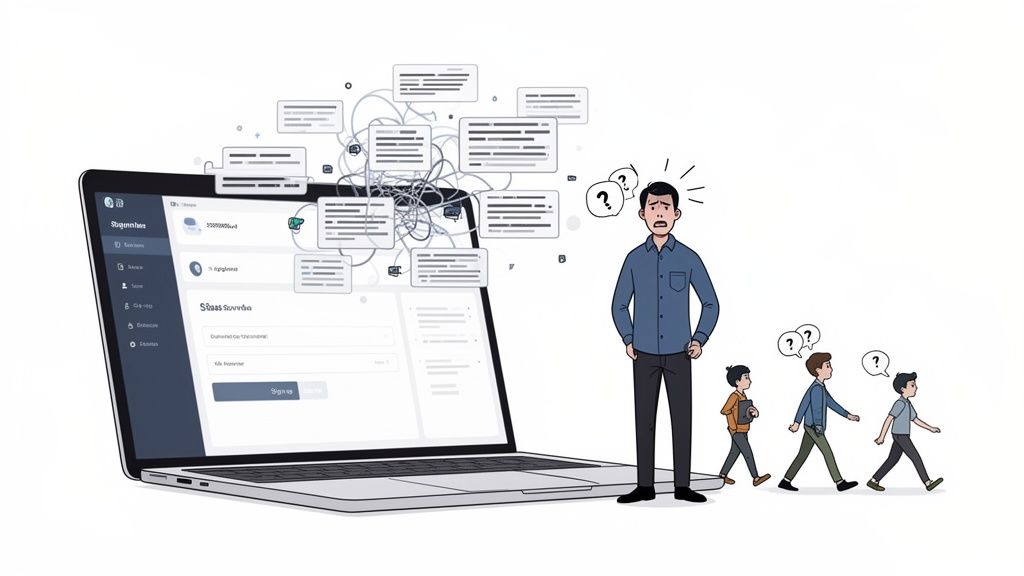
You poured countless hours into building a solution. The code is clean, the UI is intuitive, and the features solve a critical pain point. Yet, your website greets visitors with a wall of text they have to work to understand. In a competitive market, that friction is fatal.
This is a common founder trap. You're too close to your product to see it from a fresh perspective. What's obvious to you is a complex puzzle to a potential customer. You're trying to explain a dynamic solution with static tools, and the core value gets lost in translation.
The real issue is that customers don't buy features; they buy solutions to their problems. Text requires them to connect the dots between your product's capabilities and their own challenges. A well-made video does that work for them, instantly. This guide offers practical advice on using business marketing videos to close that gap. For a deeper look at the most common format, here's a resource on what an explainer video is and how it sharpens your message.
Data confirms this approach works. SaaS companies using video grow revenue 49% faster than those that don't. A short video can increase a user's understanding of a product by 99%, a significant advantage for complex software. You can find more video marketing statistics on SellersCommerce.
Why This Type of Video Matters
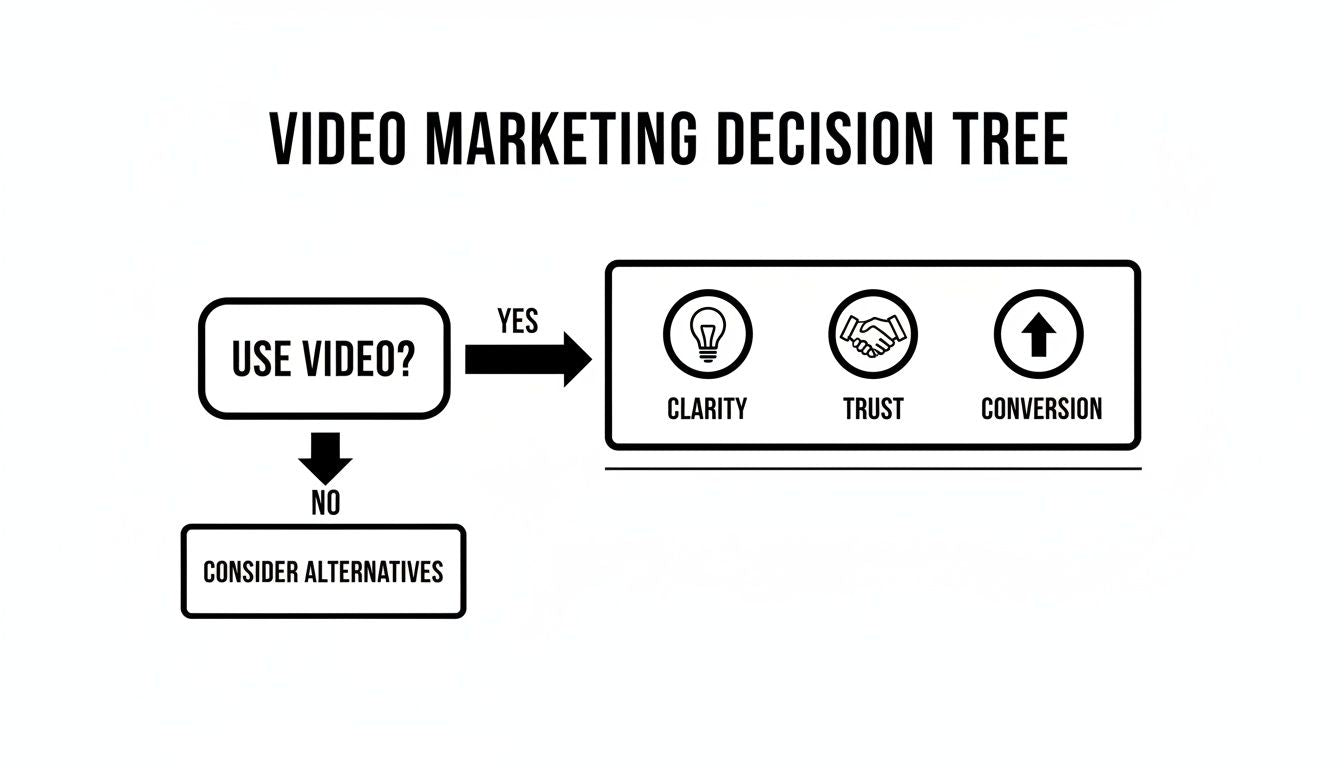
For a founder, using business marketing videos is a strategic move to shorten the sales cycle. It's not about following trends. It comes down to three business outcomes that provide a real advantage in a crowded market: clarity, trust, and conversion.
These elements work together. A visitor watches a short video and immediately understands your value proposition. That clarity builds trust in your solution. Trust, in turn, is what drives conversions.
Achieving Instant Clarity
Your SaaS product may be complex, but its value proposition shouldn't be. A well-crafted 90-second video communicates what you do more effectively than pages of text. It cuts through the noise and delivers an immediate understanding that static content cannot match.
Think of it this way: text asks your prospect to build a mental model of your product. A video hands them the finished model. This respects their time and removes friction from the evaluation process. Video is the fastest path from "What is this?" to "This is what I need." To see how different formats achieve this, you can explore these different types of business videos.
Building Trust Through Transparency
In SaaS, trust is non-negotiable. Before a customer commits, they need to believe your software works as advertised. Video is the best tool for showing them what to expect.
When a prospect sees your UI in action and watches a real workflow, it eliminates guesswork. That transparency lowers their purchase anxiety and builds the credibility needed to take the next step, whether that's a trial or a demo. A product demo video closes the gap between a marketing promise and your software's reality.
Connecting Clarity and Trust to Conversion
Clarity and trust directly impact conversion rates. When a prospect understands your value and trusts your solution, they are far more likely to convert. This leads to more qualified leads, higher trial sign-ups, and shorter sales cycles.
The numbers support this. Research from Wyzowl shows 87% of marketers say video directly helped them increase traffic, and 82% report it boosted sales. This makes it a core tool for SaaS growth. You can read the full Wyzowl report on video marketing statistics for more details.
Common Approaches to Video Production
Once you decide to create a video, the question becomes how. Founders typically have three main paths for creating business marketing videos. Each has trade-offs, and the right choice depends on your startup's stage, budget, and goals.
Marketing Agencies
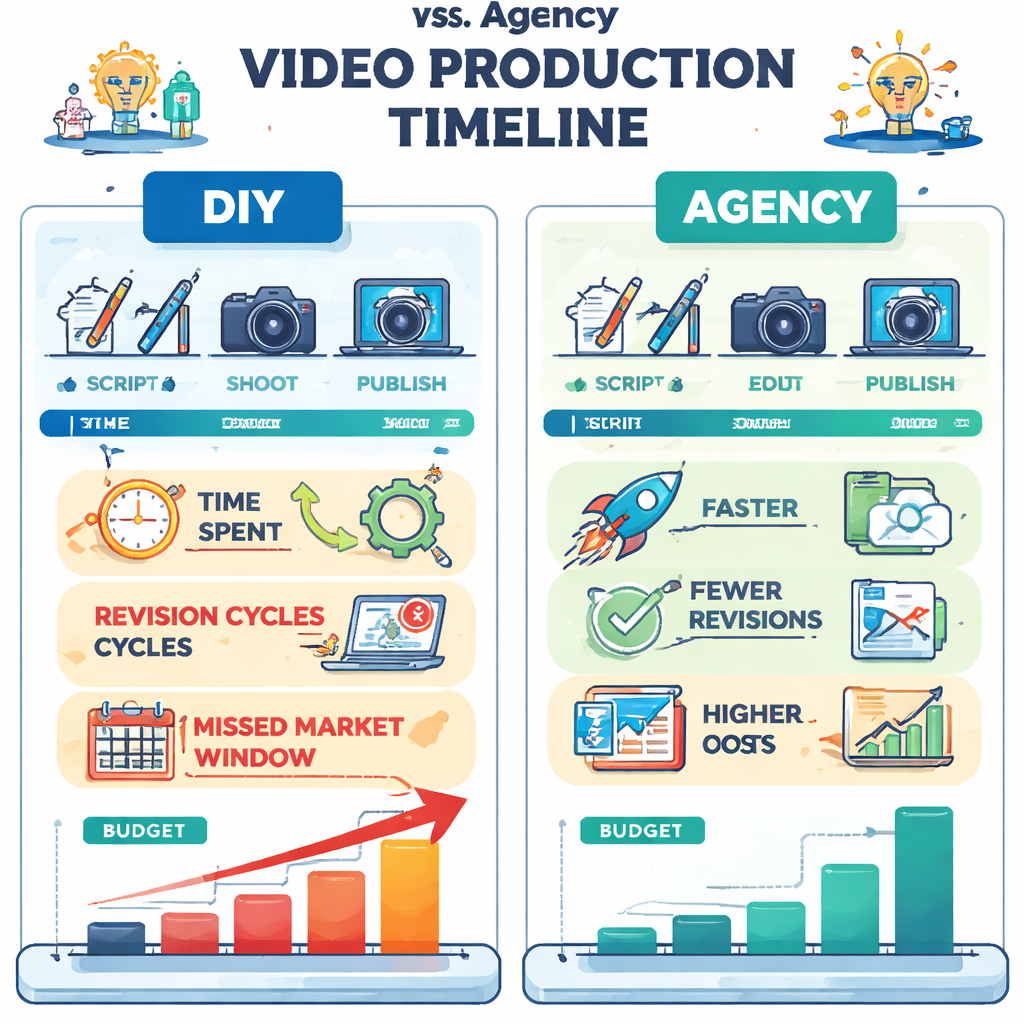
Hiring a video production agency is the most hands-off approach. A full team manages strategy, scripting, animation, and final delivery. They offer strategic insight and high production value, making them a good fit for established companies with large marketing budgets. The primary benefit is their expertise, which usually guarantees a polished result. The tradeoff is cost, with projects often running into tens of thousands of dollars, and time, as the process can take months.
Freelancers
Working with freelancers offers more flexibility and is generally less expensive than an agency. You can assemble a team of specialists-a scriptwriter, an animator, a voice-over artist-for your specific project. This approach gives you more direct control over the budget and creative direction. The challenge is that you become the project manager. Finding talent, coordinating work, and ensuring cohesion takes significant time and effort. While you might save money, the opportunity cost can be high. Our guide on product video production can help you understand the scope of such projects.
DIY / Template Tools
Do-it-yourself (DIY) tools are the fastest and cheapest option. Platforms like Canva allow anyone to create a video using pre-made templates and simple editors. They are useful for quick social media posts or internal updates on a minimal budget. The trade-off is a lack of strategic depth and originality. The output often looks generic and may not effectively communicate the specific value of your SaaS product to a discerning B2B audience.
The Cost & Time Reality Check
The quoted price for a video is only part of the story. For a founder, the most significant cost isn't money; it's time. Traditional video production is filled with hidden costs that can drain a startup's momentum.
The process often involves lengthy briefs, script revisions, storyboard approvals, and feedback loops. Each step requires your direct involvement, pulling you away from building your product and talking to customers. A project that seems straightforward can drag on for weeks or even months, becoming a major distraction.
This is the opportunity cost of slow production. While you're stuck in a six-week revision cycle for one explainer video, competitors are shipping features and acquiring customers. Your agility is compromised. The real cost of a traditional video isn't the final invoice; it's the market momentum you lose while waiting for it.
How Forgeclips Solves This
The traditional model forces founders into a difficult choice: spend significant time and money for a high-quality result, or sacrifice quality to move quickly. A framework-based approach offers a practical alternative designed for the realities of a growing SaaS company.
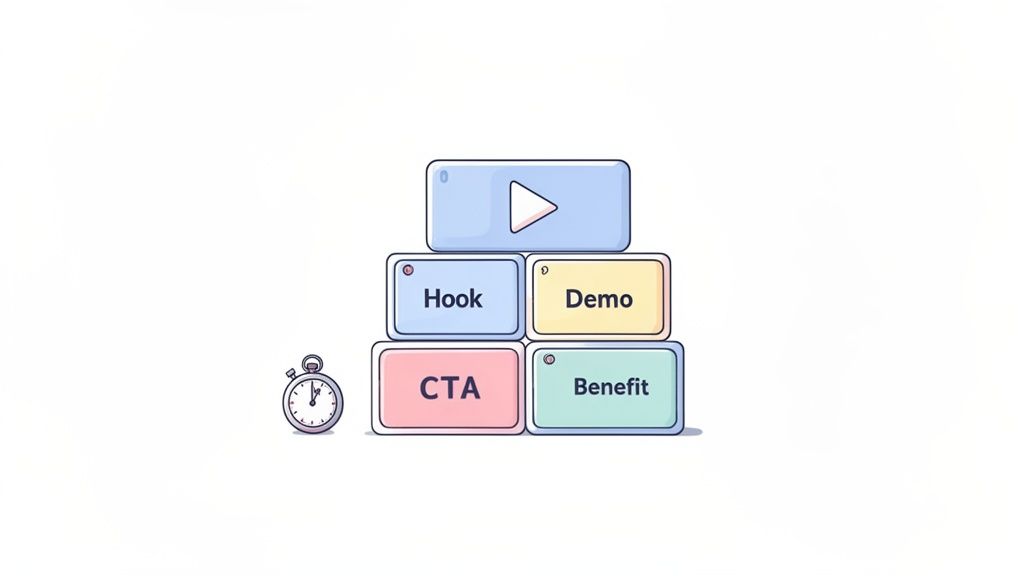
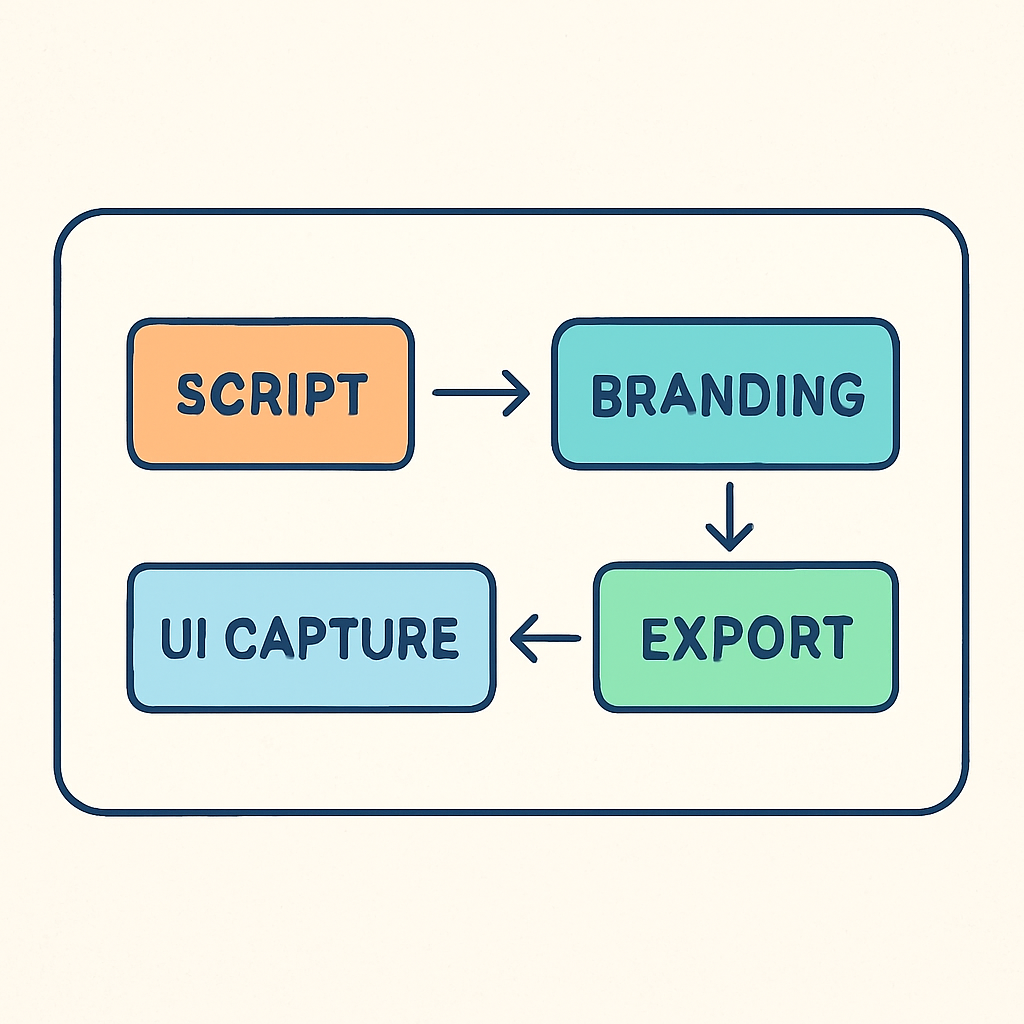
Instead of starting from a blank page, this method uses proven video structures engineered for SaaS performance. It's a repeatable system that allows you to move from an idea to a high-performing video in days, not months. This approach focuses on production quality, speed, consistency, and cost efficiency.
The primary advantage is speed. Because the narrative structure is pre-defined, you eliminate weeks of back-and-forth on concepts and scripts. For a startup, this is a competitive edge. This speed doesn't come at the expense of quality. A service like Forgeclips is built on professional design principles, ensuring the final product meets the high expectations of B2B buyers. It delivers roughly 90-95% of a custom project's result for a fraction of the cost and time.
This efficiency means you can produce high-quality business marketing videos that look and feel custom-made without the long delays. It's about achieving a professional result on a startup timeline.
Example Use Case: Clarifying a Complex Workflow
Consider a SaaS founder who built a powerful logistics platform. The product automates complex inventory and shipping workflows, but the website's text-heavy explanation was failing to connect with time-strapped warehouse managers. Trial sign-ups were low because prospects couldn't quickly grasp the product's value.
Using a framework-based video, the founder created a 90-second explainer. The video visually walked through the primary workflow, showing how the software turned a chaotic manual process into a simple, automated one. The business outcome was immediate: the video clarified the product's value proposition, and trial sign-ups increased by 30% within the first month.
Adopting a Distribution-First Mindset
A great video that no one sees has no value. The success of any business marketing video is measured by its business impact, not its production value alone. This requires shifting from a production-first to a distribution-first mindset.
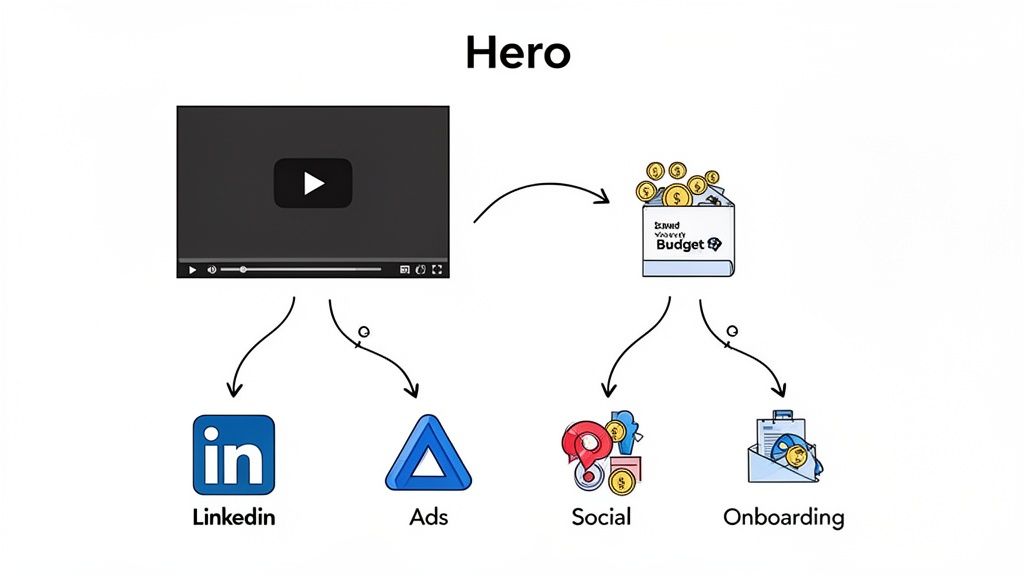
Many founders allocate most of their budget to creating the video, leaving little for distribution. The goal should be to spend less on making the asset and more on ensuring it gets seen. When production is fast and affordable, you can reallocate your resources to channels that drive tangible results.
Here are a few high-impact channels for your video:
Website Hero Video: Place an explainer video at the top of your homepage to immediately increase visitor understanding and boost conversions for trial sign-ups.
Paid Ads: Use short promo videos in campaigns on LinkedIn or YouTube. Efficient production allows you to test different creatives and messages to optimize ad spend.
Social Media: Share clips and full videos to educate your audience and build authority.
Onboarding: Embed a product demo in your onboarding sequence to improve user activation rates and reduce support tickets.
A system like Forgeclips is designed to enable this mindset. By making video production fast and repeatable, it helps you dedicate your energy and budget to distribution, where growth truly happens.
A Soft Call to Action
Creating business marketing videos that clearly explain your product and drive conversions is achievable without the high costs and long timelines of traditional production. If you're ready to get a high-performing video in days, not months, and focus your resources on growth, a new approach may be the right fit. See how our framework-based approach works.